
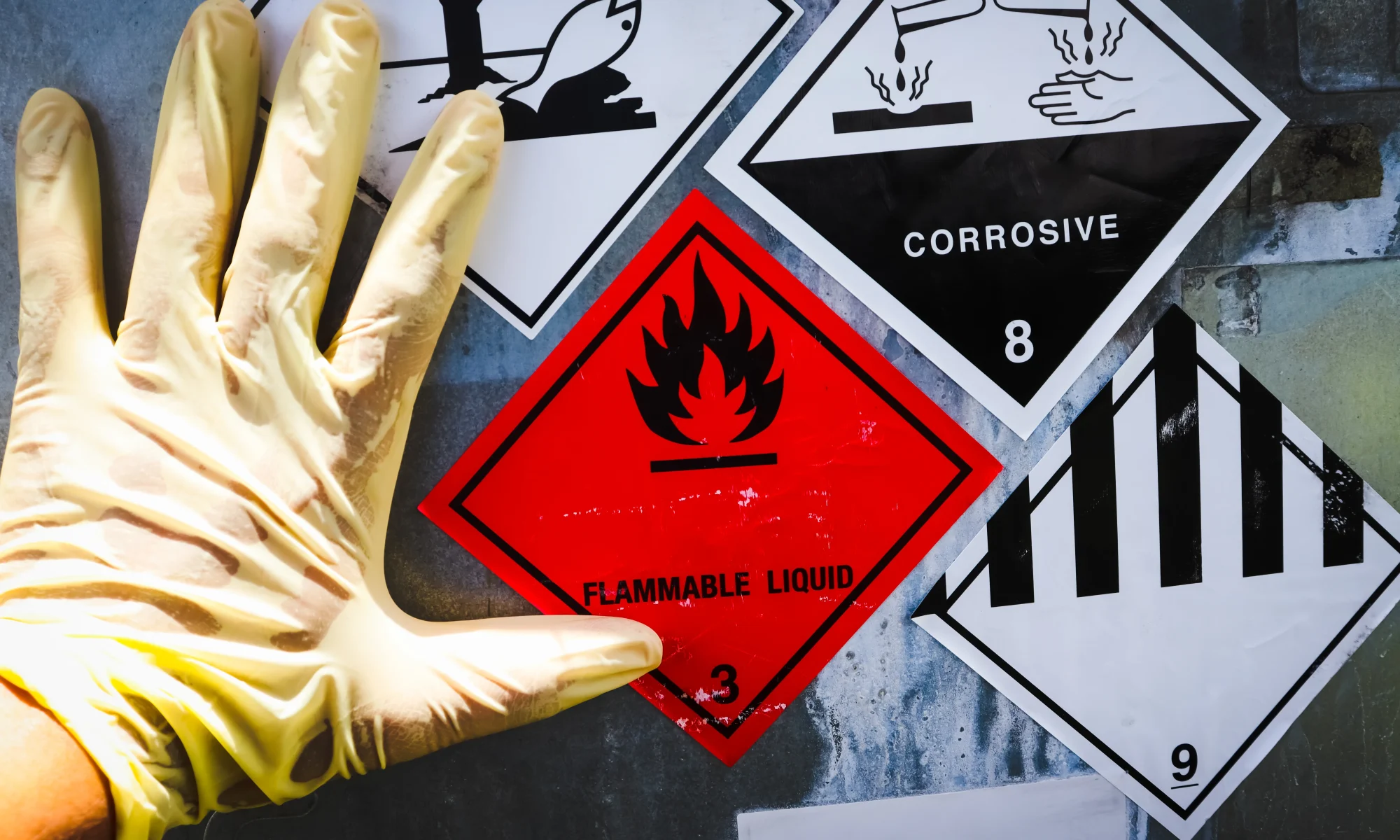
Hazardous waste disposal San Francisco is one of the most critical aspects of environmental protection and public health. Improper disposal of hazardous materials can cause serious harm to the ecosystem, contaminate water sources, and pose long-term health risks. Whether you’re dealing with household items like batteries and cleaning products, or industrial byproducts, it’s essential to dispose of hazardous waste in a safe and responsible manner. In this guide, we’ll explore what hazardous waste is, why it’s so important to handle it correctly, and how to find hazardous waste disposal near me Jacksonville to ensure you’re disposing of materials in an eco-friendly and safe way.
Understanding Hazardous Waste
Hazardous waste refers to materials that are dangerous or potentially harmful to human health or the environment. These materials can be toxic, flammable, corrosive, or reactive. Hazardous waste is typically generated through everyday activities, manufacturing processes, and medical procedures, making proper disposal a widespread concern.
Examples of hazardous waste include:
-
Household items: Paints, cleaners, pesticides, solvents, and batteries.
-
Industrial byproducts: Waste chemicals, oils, heavy metals, and asbestos.
-
Medical waste: Used syringes, expired medications, and hazardous chemicals used in healthcare.
When these materials are disposed of incorrectly, they can cause lasting damage to ecosystems, wildlife, and public health. It’s essential to understand what qualifies as hazardous waste and how to handle it safely.
The Dangers of Improper Hazardous Waste Disposal
Improper disposal of hazardous waste is not just an environmental issue; it’s a health issue too. When hazardous waste is improperly discarded, it can lead to a range of problems:
-
Soil Contamination: Hazardous substances can leak into the soil, poisoning plants and making the soil inhospitable to both wildlife and human activities. Over time, this contamination can spread, leading to long-term damage.
-
Water Pollution: Hazardous waste that enters lakes, rivers, or groundwater can have devastating effects on aquatic life. Chemicals and toxins can enter drinking water supplies, impacting entire communities and ecosystems.
-
Air Pollution: Certain hazardous materials, such as solvents and adhesives, release harmful fumes into the air when improperly disposed of. These fumes can be toxic, contributing to air pollution and respiratory issues in humans.
-
Human Health Risks: Exposure to hazardous waste, whether it’s through direct contact or inhalation of toxic fumes, can cause a wide range of health problems. Short-term effects might include skin irritation or headaches, while long-term exposure can lead to severe illnesses like cancer or neurological damage.
How to Identify Hazardous Waste in Your Home
You might be surprised to learn how many common household products qualify as hazardous waste. Some of the most commonly overlooked hazardous materials include:
-
Batteries: Batteries, especially lead-acid and rechargeable types, contain harmful chemicals like mercury and cadmium. Disposing of them in the trash or by throwing them out can contaminate the environment.
-
Paint and Paint Thinners: Oil-based paints and paint thinners contain toxic chemicals that can pollute the environment if disposed of improperly.
-
Cleaning Products and Solvents: Household cleaners, disinfectants, and solvents often contain volatile chemicals that are hazardous to the environment and health.
-
Medications: Expired or unused medications can be dangerous to water supplies and wildlife if not disposed of properly. Flushing them down the toilet or throwing them in the trash is not a safe option.
-
Fluorescent Bulbs: Fluorescent light bulbs contain mercury, which is harmful to both humans and the environment.
The Risks of Not Using Proper Hazardous Waste Disposal
When hazardous waste is thrown in regular trash or poured down the drain, the risks are considerable:
-
Leaching Into Soil and Water: Chemicals can leach into the soil and water, causing contamination that is difficult to reverse. This can lead to long-term environmental degradation and can affect local ecosystems.
-
Health Hazards: Improper disposal of hazardous waste can result in human exposure to toxic substances, leading to short-term illnesses or long-term diseases. The effects may be seen not only in those directly exposed but also in the wider community.
-
Legal Consequences: Many regions have strict regulations regarding hazardous waste disposal Miami. Disposing of hazardous materials improperly can result in hefty fines and legal consequences. Always follow the law to ensure both environmental and legal compliance.
Finding Hazardous Waste Disposal Near Me
If you’re wondering, where you can find hazardous waste disposal near me Chicago? There are several resources available to help you dispose of these materials in a safe and environmentally friendly manner:
-
Local Disposal Centers: Many local governments operate collection centers or offer special hazardous waste disposal Indianapolis events. These events allow residents to safely drop off household hazardous waste, such as paints, solvents, and batteries. Check with your local government website or contact the waste management department for more information.
-
Certified Hazardous Waste Disposal Companies: If you need to dispose of large quantities of hazardous materials or industrial waste, it’s best to work with a certified hazardous waste disposal company. These companies specialize in the safe collection, transportation, and disposal of dangerous materials, ensuring that they’re managed according to all regulations.
-
Retail Drop-off Locations: Some major retailers partner with disposal services to collect hazardous waste such as batteries, light bulbs, and electronics. Check with local stores to see if they accept hazardous materials for recycling or safe disposal.
-
Online Directories: Websites like Earth911 allow you to search for hazardous waste disposal near me. Simply enter your location and find nearby disposal sites or recycling centers that handle specific types of waste.
Steps for Proper Hazardous Waste Disposal
To ensure your hazardous materials are disposed of safely, follow these simple steps:
-
Know What’s Hazardous: Familiarize yourself with common hazardous waste materials and learn to identify them in your home. If you’re not sure whether something is hazardous, refer to product labels or consult your local waste disposal service.
-
Package It Correctly: Proper packaging is essential when transporting hazardous waste. Use leak-proof containers, and ensure the materials are clearly labeled to prevent accidents during handling.
-
Check Local Guidelines: Disposal rules for hazardous waste can vary by location. It’s important to check your local regulations and disposal options to make sure you’re following the law.
-
Use a Certified Service: If you’re unsure how to dispose of hazardous waste, or if you have large quantities to dispose of, consider hiring a professional hazardous waste disposal service. These experts will ensure everything is handled safely and legally.
Common Types of Hazardous Waste Disposal Services
-
Residential Services: Many cities and towns offer free or low-cost hazardous waste disposal programs for homeowners. These services typically handle everyday materials like batteries, paint, and cleaning products.
-
Commercial and Industrial Disposal: Businesses that generate large amounts of hazardous waste, such as manufacturing facilities or medical centers, rely on specialized contractors for disposal. These companies ensure safe handling and legal compliance.
-
Electronic Waste Disposal: E-waste like old electronics, computers, and TVs contains hazardous substances that must be disposed of properly. Many electronics retailers accept e-waste for safe recycling.
The Future of Hazardous Waste Disposal
As the world continues to grapple with waste management issues, advancements in hazardous waste disposal technology are being developed. Many facilities are investing in safer recycling methods and technologies that reduce the harmful impact of hazardous materials. By supporting these efforts and using certified disposal services, you can help ensure that hazardous waste is managed responsibly for the long-term health of our planet.