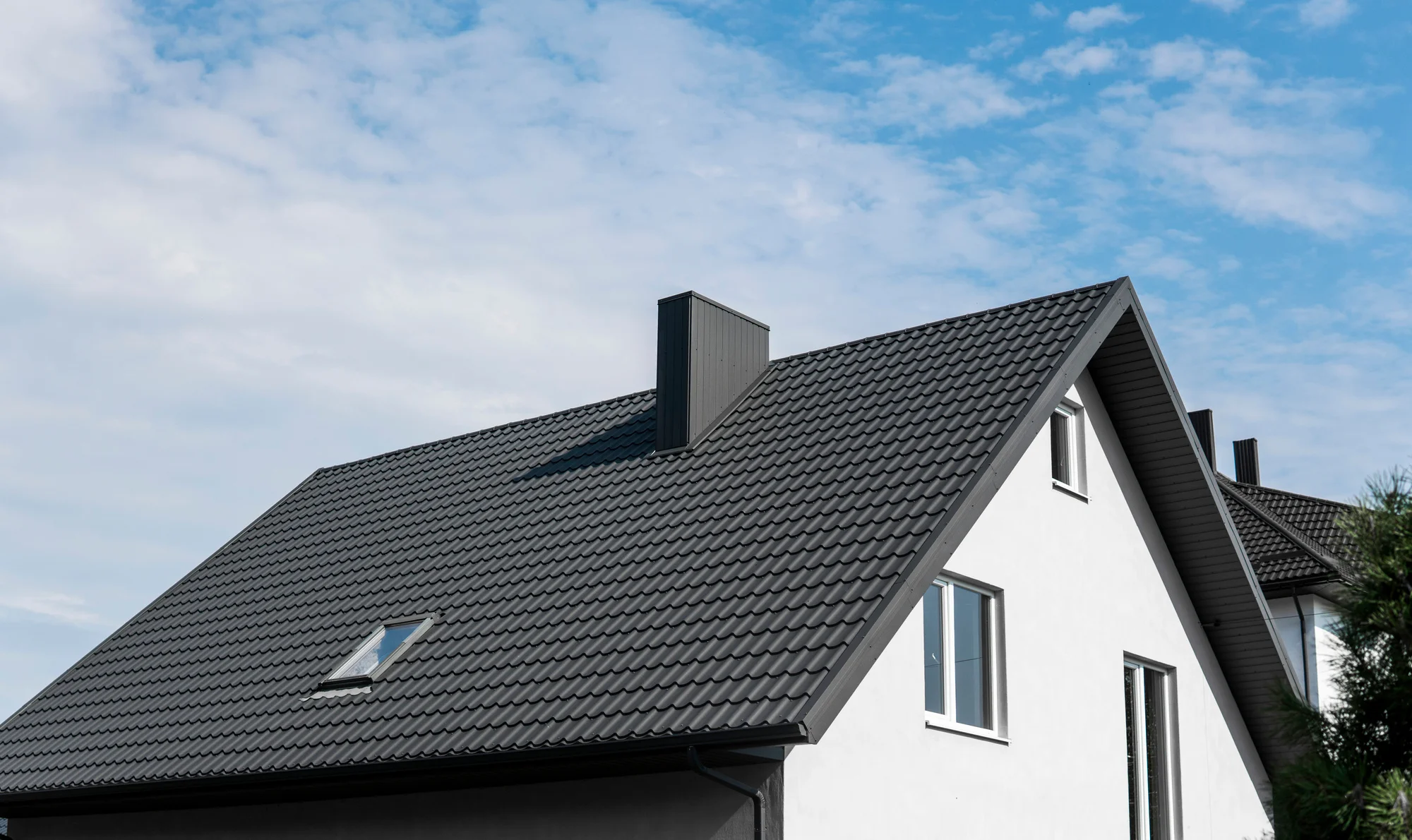
One of the biggest mistakes homeowners make when selecting a roof is choosing materials based primarily on appearance. While curb appeal matters, the local climate can have an even greater influence on how well a roofing system performs over time.
Different roofing materials respond differently to sunlight, temperature changes, wind, snow, and moisture. Understanding these factors before installation can help homeowners avoid premature deterioration and unnecessary expenses.
In regions with hot summers, solar heat absorption becomes an important consideration. Dark roofing surfaces can absorb substantial amounts of sunlight, increasing roof temperatures. Certain reflective asphalt shingles and metal roofing products are designed to reflect more solar radiation, potentially reducing heat transfer into the attic.
A professional roofing company near me in Des Plaines can explain which reflective products are suitable for your property and how roofing materials interact with insulation and ventilation.
Homes in colder climates face different challenges. Heavy snow, ice accumulation, and repeated freezing and thawing can place additional stress on roofing systems. Proper underlayment, flashing, drainage, and ice-dam protection are often just as important as the visible roofing material.
Metal roofing can be effective in snowy environments because many systems allow snow to slide off relatively easily. However, uncontrolled snow shedding can create hazards near entrances, walkways, and landscaping. Appropriate snow-retention systems may be necessary.
Asphalt shingles are also widely used in colder climates. Their performance depends on product selection, installation conditions, roof design, and ventilation. A knowledgeable roofing company can recommend shingles and installation methods suited to regional weather patterns.
In areas exposed to strong winds, homeowners should pay attention to wind-resistance ratings and installation requirements. Proper fastening, edge detailing, and roof geometry can significantly affect performance. No roofing material is completely immune to extreme weather, but selecting tested products and following manufacturer specifications can reduce vulnerability.
Hail-prone regions present another challenge. Impact-resistant roofing products may provide additional protection against certain hail impacts. Homeowners should understand that impact ratings do not guarantee a roof will remain undamaged during every storm.
Moisture is another important factor, particularly in humid climates. Algae growth, condensation, and inadequate attic ventilation can affect roof appearance and performance. Some asphalt shingles incorporate algae-resistant granules, while other materials may offer different maintenance advantages.
Coastal properties require additional consideration because salt exposure can accelerate corrosion of certain metal components. Choosing appropriate materials, coatings, and fasteners is essential for long-term durability.
Homeowners should also consider seasonal temperature fluctuations. Roofing materials expand and contract as temperatures change, and installation systems must accommodate this movement.
Rather than assuming one material is best everywhere, ask a roofing company to evaluate the environmental conditions your roof will face throughout the year.
The ideal roofing system combines climate-appropriate materials with correct installation, effective drainage, and suitable ventilation. Choosing with these factors in mind can help extend roof life, improve comfort, and reduce the likelihood of unexpected problems.